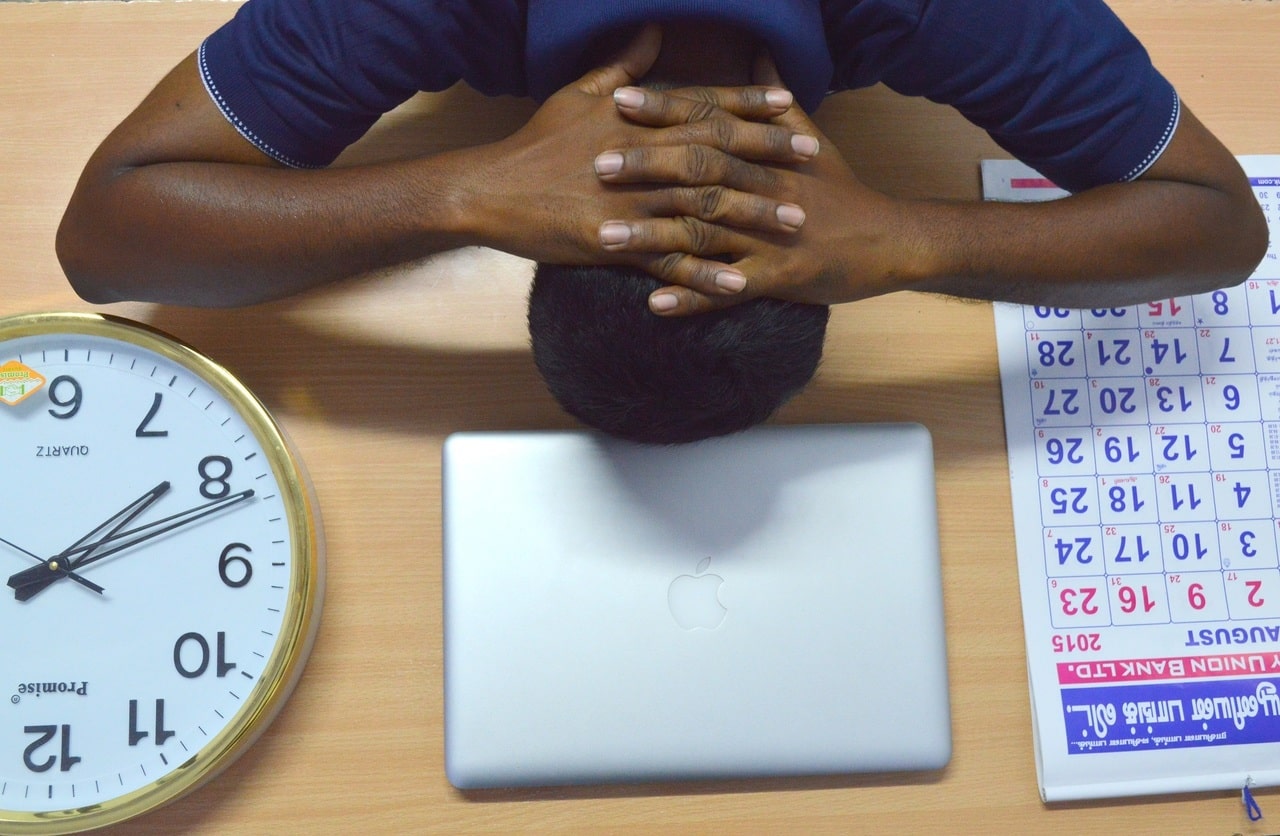
Stress and anxiety are common but unpleasant physical or mental reactions that every adult experiences at a certain point in life.
Stress can be triggered by an event that makes you frustrated or nervous. Anxiety is the uneasy feeling resulting from being stressed.
Both feelings are not harmful. In fact, they’re quite normal. However, in the long-term, they can have negative effects on your physical and mental health. Thankfully, there are ways to tackle both of them.
This article will provide you with a list of habits you can include in your routine to deal with stress and anxiety and stop them from interfering with your daily life.
Let’s jump to the first one.
Exercising

An obvious but often neglected key to being physically and mentally healthy is exercising. Working out, lifting weights, doing yoga, or simply going for a walk are all ways to take one’s mind off things. Regular physical activity lowers the level of stress hormones – such as cortisol – and increases endorphins, the hormones of happiness.
This can result in better sleeping habits, as well as in a boost of confidence. Lack of a proper sleeping schedule and dealing with insecurities can lead to stress and anxiety. So, finding an exercise routine that fits your schedule and personal preferences can easily boost your mood. It also helps to improve mental focus and clarity.
Journaling

An effective way to reduce stress is just letting it out. Talking to another friend or a family member may not always be an option, but a piece of paper and a pen will listen to everything that’s on your mind without judging.
Writing down what’s bothering you can be very relieving as it clears out more space in your head for positive thoughts. But don’t just focus on the challenges you face.
Journaling about the good things that happen in your life can help you focus on the positive side and acknowledge your gratefulness for everything you have.
Deal with Stress and Anxiety by Getting Involved

Volunteering or finding another way to be involved in a community with like-minded people can be an easy way to forget about the busy workdays and enjoy something productive in your free time.
Being an active member of society can establish a strong support network and break the everyday stress:
- Physically – being on the go can help lower blood pressure and the risk for disease, for example.
- Mentally – the gratification from volunteering and staying socially connected wards off symptoms of loneliness and depression.
Taking Deep Breaths
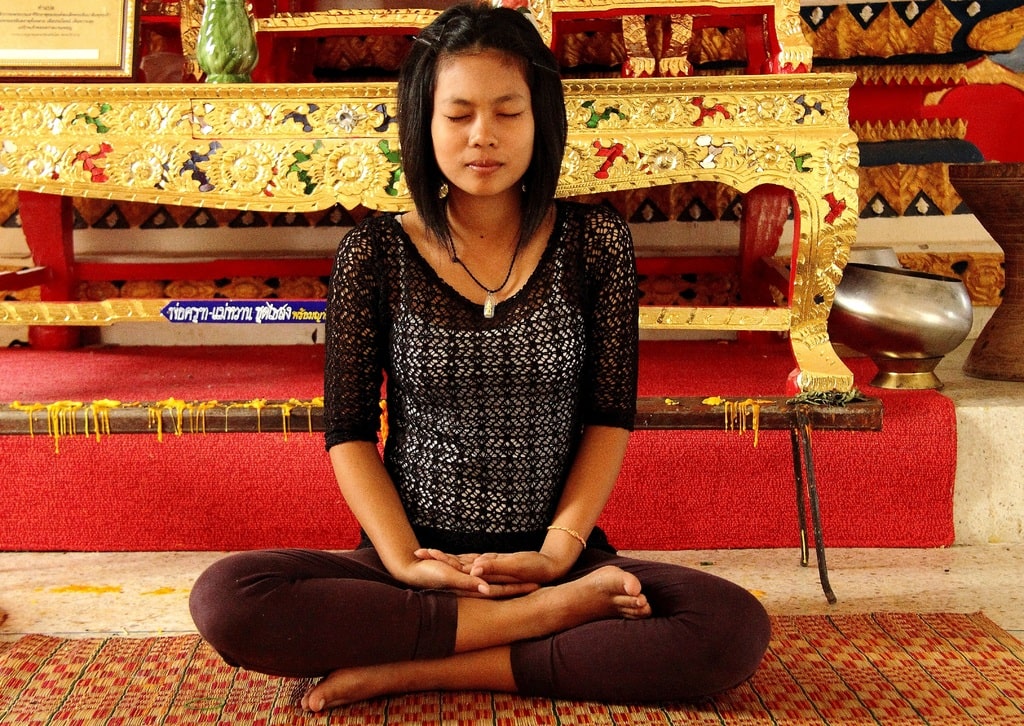
Knowing how to breathe right can do wonders for your physical and mental health.
When the body experiences mental stress, it goes into the so-called ‘fight-or-flight’ mode. The brain releases adrenaline hormones and signals the body that there is a danger. This can impact you in a negative way – including nervousness and anxiety.
Deep breathing activates your parasympathetic nervous system which calms your brain down. The intake of oxygen increases the blood flow to the head and slows your heart rate down, making you feel relaxed.
There are several breathing techniques – including eupnea, hyperpnea, diaphragmatic, and costal – and each of them requires slightly different processes. Regardless, the goal in all of them is to stay aware of the air entering and leaving your body, and to be mindful of the oxygen reaching every cell of your system.
Affection

Spending time with friends and family and expressing your love towards them can have a positive effect not only on yourself but on them as well.
When we hug, our brains release oxytocin and reduce the sense of fear, uneasiness, and even pain. Kisses, cuddles, and sex also have positive physical effects that lower cortisol levels and increase happiness.
Showing affection to the people you love, in general, can strengthen communication and open roads to understanding and sharing. So, put on some good music, hug your favourite person, and say goodbye to anxiety and stress. For good.
Acceptance

Not everything in our life can be under our control. It is natural that things don’t go the way we wanted them every time. Accepting that is often the first step to not stressing over the tiniest inconvenience or change of plans.
Ask yourself the question: “Is this really that important?” In our day-to-day lives, we often stress over things that don’t have a long-term effect on us. This only leads to unnecessary fears and worries.
Understanding the roots of anxiety is essential to fighting it. In fact, the rotten root that is preventing us from flourishing is the habit of feeling guilty for things that aren’t in our hands. Work towards breaking that habit.
Deal with Stress and Anxiety by Caring for Yourself
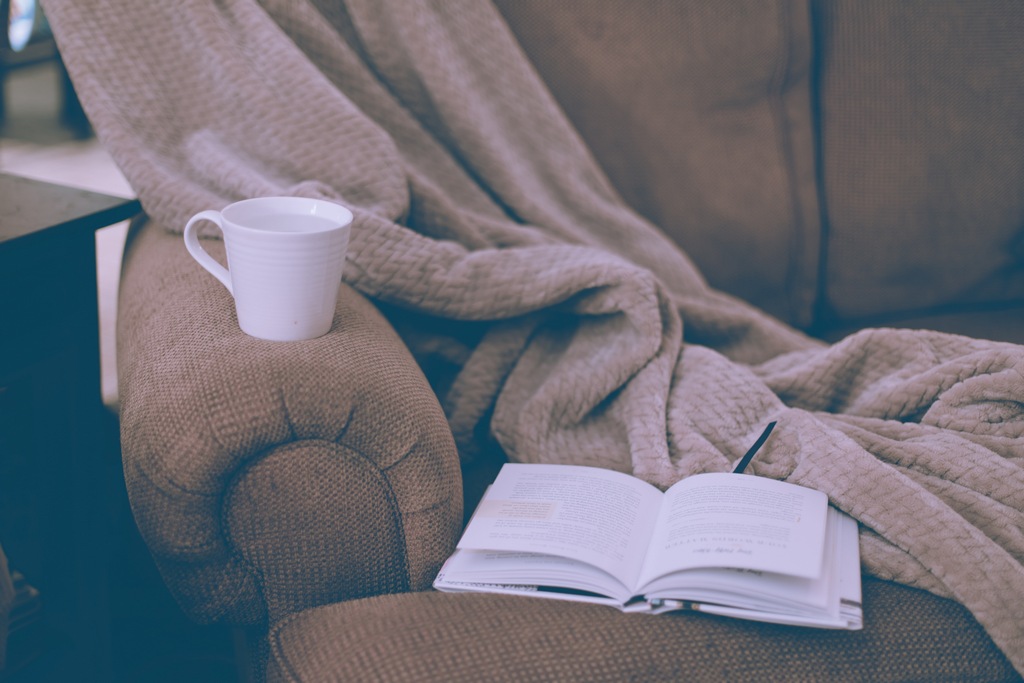
Self-care is an important coping mechanism for preventing stress and anxiety. It involves things like evaluating your priorities, working on setting limits, and putting your well-being first.
You need to be mindful of what triggers your distress. Consider meeting your body’s needs for a start – make little time for yourself in a day to reward yourself for the hard work. There’s nothing wrong with spending some me-time away from responsibilities. Doing so will not give way to negative thinking and will reduce anxiety.
Think of yourself as your own pet or your child – it requires constant affection and attention to feel well and happy. And so do you.
Eating a Balanced Diet

Your body is a temple, and it deserves to be treated as such. Food has a big impact not only on your physical state but also on your mental one.
Most importantly, don’t skip meals. Skipping meals releases stress hormones to increase energy which leads to anxiety, high blood pressure, and depression. Keep healthy, energy-boosting snacks around you throughout the day instead, and don’t forget to have nutritious meals at least two times a day.
Stress and anxiety can often be enhanced by different types of food and beverages. For a start, reducing caffeine intake can lower the levels of anxiety, which is already a good start of the day. Instead, consider a green smoothie. It not only wakes you up faster and boosts your mood. It’s also so much healthier.
If the green diet is not for you, consider taking supplements. Several types of supplement ingredients help you deal with stress and anxiety. These include Valerian, Kava Kava, Siberian Ginseng, and Omega-3 fatty acids, to name just a few. Of course, make sure to consult with a doctor if you take any other type of medication.
The Bottom Line
Having to deal with stress and anxiety can be very unpleasant. While some amounts of both are expected in every human’s life, unhealthy levels can have long-term side effects both physically and mentally.
It’s important to take care of yourself consistently instead of waiting for the stress to pile up gradually and your body to crash.
If none of the things on this list seem to help you control your uneasiness and feeling of despair, please seek professional advice and consider taking supplements for as non-invasive treatment as possible.
Speaking of that, at SuppTing, we specialize in supplements, which have been proven to help thousands of people deal with stress and anxiety in the long-term.
As a result, they enjoy a relaxed sleep at night, and feel fresh, happy, and full of energy.
If you’d also like to feel the same way, springing up from bed every day, teeming with energy, click on the green button below to check out our supplements.
Donna
says:Does this drug help you lose weight
svet
says:Hi, Donna, thanks for your question.
First of all, Adaptogen 4.0 is not a drug, it’s a health supplement. It consists of all-natural adaptogens that help you alleviate the effects of stress, anxiety, and depression by helping you adapt to stress naturally.
By reducing the levels of stress and normalizing your sleep, it might help you decrease stress eating -> hence, it might help you lose weight, too, but that’s not certain.
If you’d like to learn more, you can check out our book here: https://suppting.com/stress-management-techniques-ebook/ or our supplement here: https://suppting.com/adaptogen-4-0/
Have any other questions? Feel free to reach out any time.